
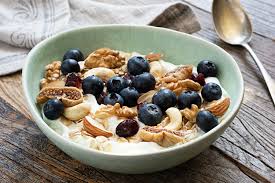
The best brain food breakfast ideas focus on nutrient-dense foods that support cognitive function. These include healthy fats, lean proteins, and complex carbohydrates. Examples are eggs, oatmeal, berries, nuts, and seeds.
They help improve memory, focus, and overall brain health.
What is Brain Food?
Brain food is simply any type of food that is good for your brain. It helps your brain work better. Think of it like giving your brain the best fuel.
These foods help your brain think clearly. They also help you remember things. And they can make you feel less tired.
Your brain needs certain things to work its best. It needs good fats for building its parts. It needs vitamins and minerals to do its jobs.
It also needs energy that lasts. Brain foods give your brain all these things. They help protect your brain cells too.
Some foods are better than others for brain health. Sugary cereals might give you a quick burst. But they lead to a crash later.
Healthy brain foods give you steady energy. They help your brain stay active all day long. This is key for learning and work.
My First “Brain Fog” Morning
I remember one Tuesday vividly. I’d rolled out of bed late. My usual breakfast was a quick gulp of coffee and a handful of stale granola bar pieces I found in my car.
I sat down at my desk, ready to tackle a big project. Within an hour, I felt lost. My thoughts felt foggy.
Words seemed to float away before I could catch them. I reread the same email three times. My head felt heavy, and my eyes burned.
It was like wading through mud. I was so frustrated. I knew I wasn’t performing at my best.
That day was a turning point for me. I realized my hurried breakfast was hurting my brain.
I started looking into what I was eating. I saw that my quick fix was actually making my brain slow. It was like putting cheap gas in a sports car.
It just wouldn’t run right. This experience made me want to find real solutions. I wanted to feel sharp and focused.
I wanted to avoid that heavy, foggy feeling. It wasn’t just about feeling good; it was about being productive and doing my best work. I began to experiment with different breakfasts.
Some worked wonders. Others, not so much.
It took time and a lot of trial and error. But I learned so much about what our brains truly crave. I discovered that a well-chosen breakfast is like a superpower.
It can change your whole day. This journey led me to understand the power of simple, whole foods. It showed me how to make mornings work for me, not against me.
The change was incredible. I went from struggling to focus to feeling alert and ready to go.
Quick Brain Fuel Checklist
Protein Power: Eggs, Greek yogurt, lean meats.
Healthy Fats: Avocado, nuts, seeds, olive oil.
Complex Carbs: Whole oats, whole-wheat toast, sweet potatoes.
Antioxidant Boost: Berries, spinach, dark chocolate (in moderation).
Hydration: Water, herbal teas.
The Science Behind Brain-Boosting Foods
Our brains are amazing organs. They need a steady supply of nutrients. These nutrients help them do everything.
They help us think. They help us remember. They help us learn new things.
They also help us control our moods.
Healthy fats are super important. Your brain is made up of about 60% fat. Omega-3 fatty acids are a type of fat that is crucial.
They help build brain cell membranes. They also help send messages in the brain. You find these fats in fish like salmon.
You also find them in walnuts and flaxseeds.
Proteins are made of amino acids. Amino acids are like building blocks for brain chemicals. These chemicals are called neurotransmitters.
They help your brain cells talk to each other. Eggs, lean meats, and beans are good sources of protein.
Complex carbohydrates give your brain energy. Your brain uses glucose for energy. Complex carbs release glucose slowly.
This gives your brain steady fuel. Sugars and refined carbs cause your blood sugar to spike. Then it crashes.
This makes you feel tired and unfocused.
Antioxidants protect your brain. They fight off harmful molecules called free radicals. Free radicals can damage brain cells.
Berries, like blueberries and strawberries, are packed with antioxidants. Dark leafy greens are also great.
Spotlight on Berries
Why they’re great: Berries are full of antioxidants. These help protect your brain from damage. They can improve memory and learning.
Best types: Blueberries, strawberries, raspberries, blackberries.
How to use them: Add to oatmeal, yogurt, smoothies, or eat them plain.
It’s not just about one nutrient. It’s about how different foods work together. A balanced breakfast provides a mix of these brain boosters.
This synergy is what really helps your brain thrive.
Essential Brain Food Breakfast Recipes
Let’s get practical. Here are some easy and tasty breakfast ideas. They are packed with brain-boosting goodness.
1. The “Super Start” Oatmeal Bowl
This is a classic for a reason. Oatmeal provides slow-releasing energy. It keeps you full and focused.
It’s also a great base for adding other healthy foods.
What you need:
- 1/2 cup rolled oats
- 1 cup water or milk (almond, soy, or dairy)
- 1 tablespoon chia seeds
- 1 tablespoon chopped walnuts or almonds
- 1/4 cup fresh berries (blueberries, raspberries)
- Optional: A drizzle of honey or maple syrup
How to make it:
- Cook the oats with water or milk. Stir in chia seeds.
- Pour into a bowl.
- Top with nuts and berries. Add a little sweetener if you like.
Why it’s brain food: Oats offer complex carbs. Chia seeds provide omega-3s and fiber. Nuts add healthy fats and protein.
Berries give antioxidants.
Oatmeal Variations
Add Spice: Stir in cinnamon. It may help with memory.
Go Savory: Top with a fried egg and a dash of hot sauce.
Creamy Dreamy: Use milk instead of water. Blend in some banana for sweetness.
2. “Powerhouse” Scramble or Omelet
Eggs are nutritional powerhouses. They are rich in choline. Choline is important for brain function and memory.
They also provide high-quality protein.
What you need:
- 2 large eggs
- 1/4 cup chopped spinach
- 1 tablespoon chopped bell pepper (any color)
- 1 tablespoon crumbled feta cheese (optional)
- 1 teaspoon olive oil or butter
- Salt and pepper to taste
How to make it:
- Whisk eggs with salt and pepper.
- Heat oil or butter in a non-stick pan over medium heat.
- Add spinach and bell pepper. Cook for 1-2 minutes until slightly wilted.
- Pour in the eggs. If making an omelet, let it set slightly before adding cheese. If scrambling, gently stir and cook until done.
- Serve immediately.
Why it’s brain food: Eggs have choline and protein. Spinach and bell peppers add vitamins and antioxidants.
3. “Avocado Toast Plus”
Avocado is full of healthy monounsaturated fats. These fats support blood flow to the brain. Whole-wheat toast provides complex carbs.
What you need:
- 1 slice of whole-wheat bread
- 1/4 to 1/2 ripe avocado
- Pinch of salt and pepper
- Optional toppings: red pepper flakes, a squeeze of lime, or a sprinkle of everything bagel seasoning.
- For an extra boost: add a poached or fried egg on top.
How to make it:
- Toast the bread until golden brown.
- Mash the avocado directly onto the toast.
- Season with salt, pepper, and any other desired toppings.
- If adding an egg, place it on top.
Why it’s brain food: Avocado provides healthy fats. Whole-wheat bread offers sustained energy. An egg adds protein and choline.
Smart Toppings for Avocado Toast
Smoked Salmon: Adds omega-3s.
Cherry Tomatoes: For extra vitamins and antioxidants.
Feta Cheese: A bit of protein and flavor.
Hemp Seeds: More healthy fats and protein.
4. “Berry-licious” Smoothie
Smoothies are a quick way to pack in nutrients. They are great for busy mornings. You can customize them endlessly.
What you need:
- 1 cup mixed berries (frozen or fresh)
- 1/2 banana (for creaminess and sweetness)
- 1/2 cup plain Greek yogurt or a plant-based alternative
- 1/4 cup milk (almond, soy, or dairy) or water
- 1 tablespoon almond butter or a handful of spinach (optional)
How to make it:
- Combine all ingredients in a blender.
- Blend until smooth. Add more liquid if needed to reach desired consistency.
- Pour into a glass and enjoy.
Why it’s brain food: Berries are antioxidant powerhouses. Greek yogurt offers protein. Almond butter provides healthy fats.
Spinach adds vitamins and minerals.
The Importance of Hydration
Don’t forget water! Dehydration can quickly lead to fatigue and poor concentration. Even mild dehydration can affect your mood and cognitive abilities.
Start your day with a glass of water. It wakes up your body and brain. You can add a squeeze of lemon for flavor and a little vitamin C.
Herbal teas are also a good choice. They provide hydration without sugar. Some teas, like green tea, also contain antioxidants that can benefit the brain.
Hydration Hacks
Keep a water bottle handy: Make it easy to sip throughout the morning.
Set reminders: Use your phone or watch to prompt you to drink.
Flavor your water: Add fruit slices like cucumber, mint, or citrus.
What Your Brain REALLY Needs in the Morning
Think about what happens when you wake up. Your brain has been resting. It needs fuel to get going.
It’s like starting a car engine. It needs the right kind of fuel to run smoothly.
Your brain needs glucose for energy. But it needs it from complex sources. These include whole grains and fruits.
They release glucose slowly. This provides a steady stream of energy. It helps you stay alert and focused for longer.
Your brain also needs building blocks. These are things like amino acids from protein. They help create neurotransmitters.
These chemicals are vital for mood, focus, and learning. Healthy fats are also critical. They make up brain cell membranes and help with communication.
When you eat a breakfast high in sugar, your blood sugar spikes. This gives you a quick energy burst. But then it drops sharply.
This is often called a “sugar crash.” You feel tired, irritable, and can’t concentrate. This is the opposite of what you want for a productive morning.
Myth vs. Reality: Breakfast Habits
Myth: Sugary cereals are a quick and easy breakfast.
Reality: They cause energy crashes and hinder focus.
Myth: Skipping breakfast saves time and calories.
Reality: It can lead to overeating later and poor concentration.
Myth: All fats are bad for your brain.
Reality: Healthy fats are essential for brain structure and function.
Common Breakfast Mistakes That Hurt Your Brain
We all make mistakes. Sometimes, our morning habits aren’t helping our brains. Let’s look at a few common pitfalls.
1. The Sugar Rush Trap
This is a big one. Many popular breakfast items are loaded with sugar. Think sugary cereals, pastries, donuts, and sweet yogurts.
Even some “healthy” granola bars can be sugar bombs.
When you consume a lot of sugar first thing, your blood sugar levels shoot up. Your body releases insulin to manage this. This leads to a rapid drop in blood sugar.
You feel a surge of energy followed by a slump. This slump makes it hard to concentrate. You might also feel irritable or anxious.
This constant cycle of sugar highs and lows is not good for your brain. Over time, it can impact your long-term brain health. It also makes it very difficult to maintain consistent focus throughout the day.
2. Relying Only on Coffee
Coffee can be a great wake-up tool. Caffeine can boost alertness and focus. But it’s not a substitute for actual food.
Drinking coffee on an empty stomach can cause digestive issues for some. It also doesn’t provide the sustained energy your brain needs.
Your brain needs nutrients to function. Caffeine can mask fatigue, but it doesn’t solve the underlying need for nourishment. If your only “breakfast” is coffee, you’re missing out on essential vitamins, minerals, proteins, and healthy fats.
This can lead to brain fog later in the morning.
3. Processed Foods Galore
Highly processed breakfast foods often lack essential nutrients. They are typically high in refined carbohydrates, unhealthy fats, and sodium. They might taste good, but they don’t nourish your brain.
Think white bread, sugary muffins, and pre-packaged breakfast sandwiches.
These foods are designed for convenience and shelf life. They are not designed for optimal brain function. They can contribute to inflammation and nutrient deficiencies.
This can negatively affect your cognitive performance and overall health.
Ingredient Check: What to Avoid
Added Sugars: High Fructose Corn Syrup, Sucrose, Dextrose.
Refined Grains: White flour, enriched flour.
Unhealthy Fats: Partially hydrogenated oils, trans fats.
Artificial Ingredients: Colors, flavors, preservatives.
The “Busy Morning” Survival Guide
Life gets hectic. It’s easy to let good intentions slide when you’re rushing. But a few simple strategies can help you maintain brain-healthy breakfasts even on your busiest days.
Prep Ahead: This is my number one tip. Spend a little time on Sunday. You can make overnight oats.
You can chop vegetables for scrambles. You can portion out smoothie ingredients into bags for the freezer.
Keep it Simple: Not every breakfast needs to be a gourmet meal. A piece of fruit with a handful of almonds is much better than nothing. Or a hard-boiled egg you made yesterday.
Simple is often best.
Batch Cook: Make a big batch of a brain-friendly recipe on the weekend. Things like healthy muffins, frittatas, or even baked oatmeal can be stored and reheated quickly. This saves so much time during the week.
Smart Staples: Always have brain-boosting staples on hand. This means keeping eggs, oats, nuts, seeds, berries (fresh or frozen), and plain yogurt in your kitchen. This way, you can always whip up something healthy.
Make-Ahead Breakfast Ideas
Overnight Oats: Oats, milk, chia seeds, fruit. Mix in a jar and refrigerate.
Egg Muffins: Whisked eggs with veggies and cheese, baked in muffin tins.
Baked Oatmeal Cups: Similar to muffins, but with oats as the base.
Fruit & Nut Packs: Portion out nuts and dried fruit for a grab-and-go option.
When to Seek Professional Advice
While these dietary tips are generally helpful, your individual needs may vary. If you experience persistent brain fog, extreme fatigue, or significant mood swings, it’s always a good idea to consult with a healthcare professional.
A doctor or a registered dietitian can help identify any underlying health issues. They can also provide personalized nutrition advice. This is especially important if you have any medical conditions or dietary restrictions.
For example, if you have diabetes, managing blood sugar is critical. A dietitian can help you create a breakfast plan that is both brain-healthy and diabetes-friendly. Or if you suspect a food intolerance, they can guide you through the process of elimination and testing.
Signs Your Breakfast Might Need a Rethink
Frequent midday energy crashes: After an initial morning boost.
Difficulty concentrating: Even on simple tasks.
Irritability or mood swings: That seem tied to meal times.
Digestive issues: Such as bloating or discomfort after eating.
Remember, nutrition is a complex field. What works for one person might not work for another. Tailoring your diet to your specific needs is key for long-term well-being.
Frequently Asked Questions About Brain Food Breakfasts
Can I really eat dark chocolate for breakfast?
A small amount of dark chocolate (70% cacao or higher) can be beneficial. It contains flavonoids, which are antioxidants that can improve blood flow to the brain and boost cognitive function. Enjoy it as a small addition, perhaps melted into oatmeal or as a few squares on the side, rather than a primary breakfast food.
Always choose high-quality dark chocolate with minimal added sugar.
Are smoothies really that healthy for breakfast?
Yes, smoothies can be incredibly healthy for breakfast if made correctly. The key is to balance the ingredients. Include a source of protein (like Greek yogurt or protein powder), healthy fats (like avocado or nut butter), and fiber (from fruits and vegetables like spinach).
Avoid loading them with too much fruit or added sugars, which can turn them into a sugar bomb. They are a fantastic way to pack in nutrients quickly.
How much protein do I need at breakfast for brain health?
Aim for at least 15-20 grams of protein at breakfast. Protein is essential for producing neurotransmitters that help your brain cells communicate. It also helps you feel full and satisfied, preventing mid-morning cravings and energy crashes.
Good sources include eggs, Greek yogurt, lean meats, fish, and plant-based options like tofu or beans.
What are the best fats for my brain in the morning?
The best fats for your brain are unsaturated fats, especially omega-3 fatty acids. These are found in foods like avocados, nuts (walnuts, almonds), seeds (chia seeds, flaxseeds, hemp seeds), and olive oil. These fats are crucial for brain structure and function, helping with memory and concentration.
Fatty fish like salmon are also excellent, though less common for breakfast.
Can I have pancakes or waffles for a brain-healthy breakfast?
Traditional pancakes and waffles made with white flour and lots of sugar are not ideal for brain health. However, you can make healthier versions. Use whole-wheat flour or oat flour.
Add ingredients like mashed banana or berries for natural sweetness. Top them with Greek yogurt, nuts, or seeds instead of syrup. A side of scrambled eggs would also add valuable protein and nutrients.
Is it okay to eat breakfast foods that are typically for lunch or dinner?
Absolutely! Many “lunch” or “dinner” foods are excellent brain foods and make fantastic breakfasts. Think about a leftover chicken breast with a side of steamed vegetables, or a small portion of lentil soup.
Leftover quinoa bowls or even a piece of baked salmon are great options. The key is to focus on nutrient-dense, balanced meals, regardless of when you typically eat them.
Conclusion
Making your breakfast a brain-boosting meal is simpler than you think. By choosing whole, nutrient-rich foods, you give your brain the fuel it needs to perform at its best. Say goodbye to morning fog and hello to clarity and focus.
Your brain will thank you!

Leave a Reply