
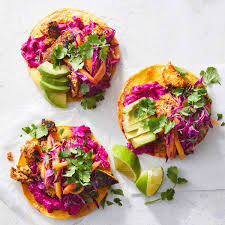
Easy brain healthy dinners focus on whole foods like fish, nuts, and colorful vegetables. They use simple cooking methods. These meals support brain function.
They are quick to prepare for busy weeknights. You can feel good about what you eat. It’s about smart choices, not hard work.
What Makes a Dinner Brain Healthy?
A brain healthy dinner is one that feeds your brain. It gives it the nutrients it needs to work well. Think of your brain like a high-performance car.
It needs the right kind of fuel to run smoothly. This fuel comes from the foods we eat.
The best foods for your brain are often whole foods. These foods are not processed much. They have vitamins, minerals, and healthy fats.
These nutrients help your brain cells. They also protect your brain from damage. Eating well can improve memory.
It can also boost focus. And it helps with overall mood.
It’s not about perfection. It’s about making good choices most of the time. A brain healthy meal includes a mix of good things.
You want lean protein. You want healthy fats. You want plenty of colorful fruits and vegetables.
And you want whole grains too.
Some foods are especially good. Fatty fish like salmon is great. It has omega-3 fatty acids.
These are building blocks for your brain. Nuts and seeds are also good. They offer vitamin E.
Leafy greens like spinach and kale are full of vitamins. Berries are packed with antioxidants. Antioxidants protect your brain cells.
What you want to limit is also key. Foods high in sugar and unhealthy fats can be bad. They can cause inflammation.
This can harm your brain over time. Highly processed foods often fall into this category. They might taste good.
But they don’t offer much for your brain.
So, a brain healthy dinner is a balanced meal. It prioritizes nutrients. It avoids things that can cause harm.
And it should be something you can actually make. The goal is sustainable good eating. Not a one-time effort.
My Kitchen Nightmares: The Time I Tried to Make a Fancy Brain Meal
I remember one Tuesday evening. I’d just read a magazine article. It raved about a new “superfood” salmon dish.
It promised glowing skin and a sharper mind. I was all in. I went to the store.
I bought fresh salmon. I found quinoa. Then came the exotic spices and a special type of kale.
The recipe had like ten steps. And each step had a sub-step. I started cooking around 6 PM.
The kitchen quickly became a disaster zone. Flour dusted the counters. A rogue splash of olive oil hit the ceiling.
The quinoa took forever to cook. I was chopping herbs with intense focus. My dog, Buster, started pacing.
He knew something was up. Dinner was supposed to be ready by 7 PM. It was closer to 8 PM.
I was stressed. The “fancy” sauce had curdled. The kale was still tough.
The salmon tasted… fine. But it wasn’t worth the chaos. I felt defeated.
I’d spent hours. My kitchen looked like a war zone. And I was exhausted.
I just wanted a simple, healthy meal. That night, I learned a big lesson. Easy is better than fancy.
Simple ingredients and simple steps win. Especially when you’re tired. Now, I focus on quick wins.
Delicious meals that don’t need a culinary degree.
Brain Food Quick Start Guide
Goal: Nourish your brain without stress.
Focus On:
- Fish: Salmon, mackerel, sardines (2-3 times a week).
- Veggies: Bright colors! Broccoli, spinach, bell peppers, carrots.
- Healthy Fats: Avocado, nuts, seeds, olive oil.
- Whole Grains: Brown rice, oats, quinoa.
- Lean Protein: Chicken, beans, lentils, eggs.
Limit: Sugary drinks, fried foods, processed snacks.
Quick Brain Healthy Dinner Ideas for Busy Nights
Let’s talk about making this happen. You need meals that are fast. They should also be packed with goodness.
Here are some ideas that work. They use common ingredients. And they don’t take long to cook.
Think about meals that cook themselves. Sheet pan dinners are a lifesaver. You chop veggies and protein.
Toss them with oil and spices. Put it all on one pan. Then bake.
Cleanup is a breeze.
For example, salmon and broccoli. Cut a salmon fillet. Toss broccoli florets with olive oil, salt, and pepper.
Place salmon on the same baking sheet. Add some lemon slices. Bake at 400°F for about 12-15 minutes.
That’s it. You get omega-3s from the salmon. And vitamins from the broccoli.
Another easy option is chicken stir-fry. Use pre-cut chicken. Add a bag of frozen stir-fry vegetables.
Make a quick sauce with soy sauce (or tamari), ginger, and garlic. Serve over brown rice. It’s colorful and nutritious.
What about pasta? Whole wheat pasta is better. Top it with a simple tomato sauce.
Add some pre-cooked chicken sausage or lentils. Mix in some spinach at the end. The heat will wilt it.
This adds greens easily.
Tacos can be healthy too. Use lean ground turkey or black beans. Load them up with salsa, avocado, and chopped lettuce.
Serve in whole wheat tortillas or lettuce wraps. It’s fun and fast.
Soup is also a great choice. Canned lentil soup is a good base. Add extra frozen veggies.
Or a can of diced tomatoes. Serve with a side of whole-grain bread. Or even a hard-boiled egg for extra protein.
These meals are about smart shortcuts. Using pre-cut veggies. Or choosing quick-cooking grains.
The goal is to get a balanced meal on the table. Without spending hours in the kitchen.
Easy Swaps for Brain Power
| Instead Of | Try This |
|---|---|
| White Rice | Brown Rice or Quinoa |
| Fried Chicken | Baked or Grilled Chicken |
| Sugary Cereal | Oatmeal with Berries |
| Processed Snacks | A Handful of Almonds or Walnuts |
The Power of Colorful Plates
One of the easiest ways to ensure you’re eating brain-healthy is to look at your plate. Is it colorful? A colorful plate usually means a variety of nutrients.
Different colors in fruits and vegetables come from different healthy compounds. These are called phytonutrients.
Red foods, like tomatoes and bell peppers, often have lycopene. This is an antioxidant. Blue and purple foods, like blueberries and eggplant, have anthocyanins.
These are also great for brain health. Green foods, like spinach and broccoli, are rich in vitamins K and folate. Orange and yellow foods, like carrots and sweet potatoes, give you beta-carotene.
This turns into vitamin A in your body.
When you make dinner, try to include at least three different colors. For instance, if you’re having baked chicken, add a side of steamed green beans and a small sweet potato. That’s green and orange.
Maybe add a side of cherry tomatoes. Now you have red too. That’s a very brain-friendly meal.
Don’t overthink it. It can be as simple as adding a handful of spinach to your pasta sauce. Or topping your tacos with diced red onion and avocado.
Small additions make a big difference. They boost the nutrient power of your meal.
This is where creativity can shine. You don’t need complicated recipes. Just think about adding more colors to your plate.
It makes your food look more appealing too. And it helps you eat a wider range of beneficial nutrients. It’s a win-win for your health.
My Go-To Sheet Pan Dinner: Salmon and Asparagus
This is one of my absolute favorites. It takes maybe five minutes to prep. And about fifteen minutes to cook.
It’s perfect for a weeknight. I usually use salmon fillets. Sometimes I use cod if salmon is pricey.
Asparagus is great because it cooks fast. But you could also use broccoli florets, green beans, or even bell pepper strips.
Here’s what I do. I line a baking sheet with parchment paper. This makes cleanup super easy.
I toss the asparagus with a little olive oil, salt, and pepper. I spread it on one side of the pan. Then, I pat the salmon dry.
I season it with salt, pepper, and maybe a little paprika or garlic powder. I place the salmon on the other side of the pan. Sometimes I put a few lemon slices on top of the salmon.
Then, into a preheated oven at 400°F (200°C) it goes. It bakes for about 12 to 15 minutes. You know it’s done when the salmon flakes easily with a fork.
And the asparagus is tender-crisp.
While it’s baking, I might quickly cook some quinoa or brown rice. Or, if I’m really pressed for time, I’ll just eat it as is. It’s satisfying and full of good fats and protein.
This meal hits all the marks. It’s quick. It’s healthy for the brain.
And it tastes delicious. It’s become a staple in our house. It proves you don’t need hours to eat well.
Understanding Omega-3 Fatty Acids
What they are: Healthy fats your body needs. It can’t make them on its own.
Why they matter for your brain:
- Building Blocks: Make up part of your brain’s structure.
- Communication: Help brain cells talk to each other.
- Protection: Reduce inflammation, which can harm the brain.
- Learning & Memory: Linked to better cognitive function.
Best Sources: Fatty fish (salmon, mackerel, sardines), flaxseeds, chia seeds, walnuts.
Incorporating Nuts and Seeds
Nuts and seeds are little powerhouses for your brain. They are packed with healthy fats. They also offer vitamin E.
Vitamin E is an antioxidant. It helps protect brain cells from damage. They are easy to add to your meals and snacks.
Walnuts are often called “brain food.” They look a bit like a brain! They have omega-3s and other good fats. Almonds are high in vitamin E.
Sunflower seeds and pumpkin seeds are also great choices. They provide magnesium and zinc.
How can you include them in dinner? Sprinkle chopped walnuts or almonds over a salad. Add sunflower seeds to your stir-fry for crunch.
Mix chia seeds or flaxseeds into your oatmeal. Or make a simple trail mix for a snack.
Even a small amount makes a difference. Just a quarter cup of nuts can be a good serving. Be mindful of portion sizes, as they are calorie-dense.
But their benefits are immense. They add texture and flavor too.
Consider making a quick pesto sauce. Instead of just pine nuts, try adding walnuts. Blend basil, garlic, olive oil, parmesan cheese, and walnuts.
It’s delicious on pasta or chicken.
These tiny foods offer big rewards. They are simple to store. They are easy to use.
And they make your brain happy. Think of them as your brain’s tiny bodyguards.
The Case for Berries and Leafy Greens
When we talk about brain healthy dinners, we often highlight fish and nuts. But don’t forget the vibrant world of berries and leafy greens! They are superstars for brain health.
Berries, like blueberries, strawberries, and raspberries, are bursting with antioxidants. These compounds fight off something called oxidative stress. This stress can age your brain cells faster.
Studies have shown that eating berries can help improve memory and slow down cognitive decline. They are also naturally sweet and low in calories.
Leafy greens are another must-have. Think spinach, kale, collard greens, and Swiss chard. They are packed with vitamins.
These include vitamin K, folate, lutein, and beta-carotene. These nutrients are linked to slower cognitive decline. They are also important for overall brain function.
How to get more of them into your dinner? It’s surprisingly easy.
For Berries:
- Add a handful of blueberries to your oatmeal or yogurt.
- Blend strawberries into a smoothie for a light dessert.
- Top a chicken salad with fresh raspberries.
- Mix mixed berries into pancake batter.
For Leafy Greens:
- Stir fresh spinach into pasta sauces or soups right at the end.
- Add chopped kale to stir-fries or omelets.
- Blend a handful of spinach into smoothies (you won’t taste it!).
- Roast kale chips for a crunchy snack.
- Use large lettuce leaves as wraps instead of tortillas.
These foods are not just good for you; they add color and flavor to your meals. Making your plate more appealing. It’s a simple step that yields significant benefits for your brain.
Start by adding just one of these to your dinner tonight.
Real-World Scenarios: Making Brain Food Happen
Let’s look at how these ideas play out in real homes. Many families juggle work, school, and activities. The idea of cooking a complex meal feels impossible.
Scenario 1: The After-Work Rush
It’s 5:30 PM. Kids are hungry. You just walked in the door.
What’s for dinner? Instead of reaching for takeout, you remember the sheet pan dinner. You quickly toss chicken thighs and broccoli with oil and spices.
Into the oven it goes. While it bakes, you set the table. Dinner is ready by 6:15 PM.
It’s chicken and broccoli, nutritious and simple.
Scenario 2: The Weekend Prep
Saturday morning. You have a bit more time. You can hard-boil a dozen eggs.
You chop up a big batch of carrots and celery. You roast a tray of sweet potato cubes. You make a large batch of quinoa.
Now, during the week, you have grab-and-go brain foods. A hard-boiled egg for breakfast. Carrots and celery with hummus for a snack.
Sweet potatoes as a side dish. Quinoa to add to salads or bowls.
Scenario 3: The “I Don’t Want to Cook” Night
It’s Friday. You’re tired. The thought of cooking is too much.
Instead of pizza, you opt for a “super salad.” You grab a bag of pre-washed mixed greens. You add canned tuna or chickpeas. Top with sliced avocado, some walnuts, and a simple vinaigrette.
It takes 5 minutes. It’s packed with protein, healthy fats, and fiber. It fuels your brain, not bogs it down.
These scenarios show that brain-healthy eating doesn’t mean elaborate cooking. It means making smart choices. Using simple methods.
And having a few go-to recipes. It’s about fitting healthy meals into your real life.
Quick Salad Bowl Boosters
Add these to any salad for extra brain power:
- Protein: Grilled chicken strips, salmon flakes, hard-boiled eggs, chickpeas, lentils, canned tuna.
- Healthy Fats: Sliced avocado, a sprinkle of walnuts or almonds, pumpkin seeds, a drizzle of olive oil dressing.
- Veggies & Fruits: Cherry tomatoes, bell pepper strips, shredded carrots, blueberries.
When is a Meal Just “Normal”?
It’s important to know what’s considered a typical, healthy meal. And when something might be a sign of something else. For brain health, a “normal” dinner is one that nourishes you without causing issues.
Normal Signs of a Good Dinner:
- Feeling Satisfied: You feel full and content after eating. Not stuffed.
- Sustained Energy: You don’t crash an hour later. Your energy levels are steady.
- Good Digestion: Your stomach feels comfortable. No major bloating or discomfort.
- Variety: You’re eating different kinds of foods throughout the week.
- Enjoyment: The meal tastes good. You enjoy the process of eating it.
These are the hallmarks of a balanced, brain-friendly approach. It’s about how you feel after eating.
When to Pay More Attention:
- Frequent Fatigue: If you always feel tired after meals, especially those high in refined carbs or sugar.
- Brain Fog: If you consistently struggle to focus or feel mentally “foggy” after eating.
- Digestive Issues: Persistent bloating, gas, or discomfort after specific foods.
- Cravings: Intense cravings for sugar or junk food soon after a meal.
- No Energy Boost: Meals that leave you feeling lethargic rather than energized.
If you notice these more often than not, it might be time to tweak your diet. Focus more on whole foods. Reduce processed items.
Increase healthy fats and fiber. Sometimes, a meal that seems healthy might not agree with your individual body. Or it might lack key nutrients.
The goal is to feel good. To have sustained energy. And to support your brain for the long haul.
It’s not about following strict rules all the time. It’s about listening to your body. And making consistent, positive choices.
Simple Tips for Brain Health Success
Making brain-healthy dinners a regular habit doesn’t have to be hard. Here are some simple tips to keep you on track. Even when life gets hectic.
1. Plan Ahead (Just a Little!)
Spend 15 minutes on Sunday. Look at your week. Pick 2-3 dinners you want to make.
This helps with grocery shopping. It also cuts down on “what’s for dinner?” stress.
2. Stock Your Pantry Smartly
Keep staples on hand. Canned beans, lentils, tuna. Whole grains like brown rice and quinoa.
Olive oil, nuts, seeds. Frozen vegetables and berries. These are your secret weapons for quick meals.
3. Embrace “Assembly” Meals
Think of meals that don’t require much cooking. Big salads, grain bowls, or wraps. You just assemble pre-cooked or easy-to-prepare ingredients.
4. Cook Once, Eat Twice
Make extra portions when you cook. Leftover roasted chicken can be added to a salad the next day. Extra quinoa can become part of a grain bowl.
5. Don’t Fear Frozen Foods
Frozen fruits and vegetables are just as nutritious as fresh. They are often cheaper and last longer. Perfect for quick smoothies or adding to stir-fries.
6. Hydrate Well
Drinking enough water is vital for brain function. Keep a water bottle handy. Sometimes thirst can feel like hunger.
7. Simplify Seasoning
You don’t need fancy spices. Salt, pepper, garlic powder, onion powder, and herbs are enough. A squeeze of lemon or lime brightens flavors.
These tips are about making things easier. They help you build momentum. Small, consistent actions lead to big changes.
You can do this!
Frequent Questions About Easy Brain Healthy Dinners
What are the top 3 brain foods I should include in my dinners?
The top three brain foods to include are fatty fish (like salmon) for omega-3s, leafy greens (like spinach) for vitamins and antioxidants, and berries (like blueberries) for their powerful antioxidant content. These provide essential nutrients for brain function.
How long does it typically take to make an easy brain healthy dinner?
Easy brain healthy dinners can often be made in 30 minutes or less. Many rely on simple cooking methods like baking or quick stir-frying, and utilize pre-prepared or quick-cooking ingredients.
Can I make brain healthy dinners on a budget?
Yes, absolutely! Focus on affordable staples like beans, lentils, eggs, seasonal vegetables, and frozen fruits and vegetables. Buying in bulk for items like rice and oats can also save money.
Fatty fish can be more expensive, so you can incorporate them 1-2 times a week.
What should I avoid for brain healthy dinners?
You should limit highly processed foods, sugary drinks, excessive amounts of saturated and trans fats, and refined carbohydrates. These can lead to inflammation and negatively impact brain health over time.
Are vegetarian or vegan brain healthy dinners easy to make?
Yes, they can be very easy! Focus on plant-based protein sources like beans, lentils, tofu, and tempeh. Combine them with plenty of colorful vegetables, whole grains, nuts, and seeds.
For example, a lentil soup with vegetables or a black bean and avocado bowl are great options.
How do I incorporate healthy fats into my dinners easily?
Healthy fats are easy to add. Use olive oil for cooking and dressings. Top salads or meals with sliced avocado.
Sprinkle nuts and seeds like walnuts or chia seeds on your dishes. Even a small amount makes a difference.
Conclusion: Simple Steps to a Healthier Brain
Eating for brain health doesn’t need to be complicated. It’s about making small, smart choices. Focus on whole foods.
Embrace colorful plates. And keep it simple. You can create delicious and nourishing dinners.
Even on your busiest nights. Start today. Your brain will thank you.

Leave a Reply