
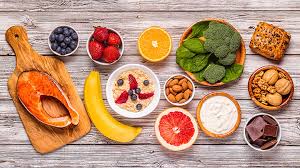
It’s about picking the right foods to help your brain focus and remember. Good nutrition helps your mind work its best when you need it most. This guide will show you what simple food swaps can make a big difference.
Understanding Brain Fuel
Your brain needs energy to function. It uses glucose as its main fuel. This comes from the food you eat.
When you eat the right things, your brain gets a steady supply. This helps you think clearly. It also helps you stay focused for longer periods.
Junk food can give you a quick boost. But it often leads to a crash later. That’s not what you want on exam day.
Think of your brain like a high-performance car. It needs premium fuel to run smoothly. Processed foods and sugary snacks are like cheap gas.
They might start the engine, but they won’t get you far. They can make you feel tired and foggy. Foods rich in vitamins, minerals, and good fats are the premium fuel.
They support brain health. They also help your brain cells communicate better.
Your brain also needs certain nutrients. These are like the specialized parts that keep the engine running. Omega-3 fatty acids are important.
So are antioxidants. B vitamins help your brain make energy. Protein helps build brain chemicals.
Hydration is also super key. Even mild dehydration can hurt your focus.
So, understanding brain fuel means looking at what your brain needs. It needs steady energy. It needs specific nutrients.
It needs to be well-hydrated. This guide will break down exactly which foods offer this fuel. We’ll look at what to eat before, during, and even after your exams.
My Own Exam Day Scare
I remember one particularly brutal finals week in college. I was juggling three major exams and a huge project. Sleep was a distant memory.
My diet consisted of instant ramen, energy drinks, and whatever vending machine snacks I could grab. On the morning of my biggest exam, I felt wired but shaky. I’d chugged a giant soda and scarfed down a sugary granola bar.
As I sat down in the exam hall, a wave of anxiety hit me. It wasn’t just the test. My hands were sweating.
My heart was pounding a bit too fast. I tried to read the first question. My mind felt like a fuzzy TV screen.
The words swam. I couldn’t grasp the concepts. I felt a desperate urge to yawn.
My focus was completely shot. It felt like my brain had just… shut down.
That day was a wake-up call. I realized I was sabotaging myself. My efforts to stay awake and alert with caffeine and sugar were backfiring.
I was just making my brain sluggish and unfocused. It was a harsh lesson. Fueling your brain isn’t just about avoiding hunger.
It’s about giving it the right tools to perform under pressure.
Exam Day Fuel: Quick Wins
Best Morning Start: Oatmeal with berries and nuts.
Smart Snack: Apple slices with peanut butter.
Hydration Hero: Water, water, and more water.
Brain Booster Drink: Green tea (not too much caffeine).
What to Eat for Peak Brain Power
When exam day rolls around, you want foods that give you sustained energy. You also want foods that support memory and focus. Let’s dive into the good stuff.
These are the true brain food for exam day.
Oats for Steady Energy
Oatmeal is a champion. It’s packed with complex carbohydrates. These break down slowly.
This means a steady release of glucose. Your brain loves this consistent fuel. It helps you stay sharp for hours.
Oats also have fiber. Fiber keeps you feeling full. This prevents those distracting hunger pangs.
Try to make it with water or milk. Add some healthy toppings like berries or nuts.
Oats: The Super Grain
What’s Inside: Complex carbs, fiber, B vitamins.
Why it Helps: Slow energy release, sustained focus.
Easy Add-ins: Berries (antioxidants), nuts (healthy fats), seeds (more nutrients).
Berries: Nature’s Antioxidant Powerhouse
Blueberries, strawberries, raspberries – they’re all fantastic. Berries are loaded with antioxidants. These compounds protect your brain cells.
They fight off damage. This damage can happen from stress. Antioxidants can improve memory.
They can also boost your learning. They help your brain cells communicate better. Add them to your oatmeal or yogurt.
Eat them on their own as a snack.
Fatty Fish for Brain Structure
Think salmon, mackerel, or sardines. These fish are rich in omega-3 fatty acids. Your brain is made up of a lot of fat.
Omega-3s are crucial for building brain cell membranes. They help with learning and memory. They can also help fight depression.
If you don’t eat fish, you can find omega-3s in flaxseeds, chia seeds, and walnuts. These are also great choices.
Omega-3 Rich Foods
Best Sources: Salmon, mackerel, sardines.
Plant-Based Options: Walnuts, flaxseeds, chia seeds.
How They Help: Support brain cell structure, improve memory.
Nuts and Seeds: Tiny but Mighty
Almonds, walnuts, pumpkin seeds, sunflower seeds – these are little powerhouses. They offer healthy fats. They also provide vitamin E.
Vitamin E protects your brain cells. It acts as an antioxidant. Nuts and seeds offer protein too.
This helps keep you full. A small handful is a perfect exam snack. Walnuts are especially good because they contain omega-3s.
They even look a bit like little brains!
Eggs: Protein and Choline
Eggs are a complete protein. Protein helps keep you full. They also contain choline.
Choline is important for brain health. It helps your body make acetylcholine. This is a neurotransmitter.
It’s used in memory and mood. A couple of hard-boiled eggs are easy to eat. They are a great portable breakfast or snack option.
Dark Chocolate: A Little Treat for Your Brain
Yes, really! Dark chocolate (70% cocoa or higher) has benefits. It contains flavonoids.
Flavonoids are antioxidants. They can improve blood flow to the brain. This can help with focus and attention.
It also has caffeine. This can give you a small energy boost. Just don’t overdo it.
A small square or two is perfect.
Quick Brain-Boosting Snacks
Nut Butter & Fruit: Apple or banana slices with peanut or almond butter.
Yogurt & Berries: Plain Greek yogurt with fresh berries.
Trail Mix: A small mix of unsalted nuts, seeds, and dried fruit (watch sugar).
Hard-Boiled Egg: Easy protein boost.
Green Tea: Gentle Focus
Green tea offers a mild caffeine lift. This can improve alertness. It also contains L-theanine.
This is an amino acid. L-theanine works with caffeine. It promotes calm focus.
It can reduce jitters. It’s a better choice than sugary energy drinks. Just be mindful of how much caffeine you consume.
Too much can cause anxiety.
What to Avoid on Exam Day
Just as some foods help your brain, others can hurt it. You want to avoid things that cause energy crashes. You also want to avoid things that make you feel sluggish or anxious.
Here’s what to steer clear of.
Sugary Foods and Drinks
This is the big one. Sugary cereals, pastries, candy, sodas, and energy drinks cause a rapid spike in blood sugar. Your body releases insulin to cope.
This leads to a sharp drop in blood sugar soon after. This crash makes you feel tired, irritable, and unfocused. It’s the opposite of what you need.
Save the sweets for after your exams.
These sugary items offer little in the way of real nutrition. They provide empty calories. They might give you a brief sugar high.
But the subsequent crash is often worse than not eating at all. Think about your brain needing a steady marathon pace, not a frantic sprint followed by a nap.
Sugar Crash Culprits
Drinks: Soda, sugary coffee drinks, energy drinks, fruit punch.
Snacks: Candy bars, cookies, doughnuts, sugary cereals.
Processed Foods: Many pre-packaged snacks and fast food items.
The Effect: Rapid energy spike, followed by a sharp crash, poor focus.
Highly Processed Foods
Many processed foods are full of unhealthy fats, salt, and sugar. They lack essential nutrients. They can make you feel heavy and sluggish.
Think of things like chips, white bread, processed meats, and frozen meals. They don’t provide the sustained fuel your brain needs.
These foods are often low in fiber and protein. This means they digest quickly. They don’t provide lasting energy.
Instead, they can lead to feelings of fatigue. They can also contribute to inflammation. This isn’t good for optimal brain function.
Fried Foods
Fried foods are often high in saturated and trans fats. These fats can slow digestion. They can make you feel sleepy.
They don’t provide the clean energy your brain craves. Save the fries for another day. Your brain will thank you.
Too Much Caffeine
While a little caffeine can help, too much can be detrimental. Excessive caffeine can lead to jitters, anxiety, and difficulty sleeping. If you can’t sleep, your brain won’t function well.
It’s a delicate balance. Stick to one or two cups of coffee or green tea. Avoid energy drinks that are packed with stimulants.
For some people, even moderate caffeine can cause nervousness. Pay attention to how your body reacts. If you are sensitive, consider cutting back on caffeine entirely before an exam.
Staying calm is often more important than a temporary alertness boost.
Foods to Cut Back On
High Sugar Items: Candy, cakes, sweet drinks.
Fried Foods: French fries, fried chicken, doughnuts.
Processed Snacks: Chips, crackers (most types), cookies.
Excessive Caffeine: Multiple energy drinks or large coffees.
Hydration: The Overlooked Hero
Water is fundamental for brain function. Your brain is about 75% water. Even slight dehydration can impair your cognitive abilities.
This means your memory, focus, and mood can suffer. Think of water as the oil for your brain’s engine. Without enough, things start to run rough.
Dehydration can lead to headaches. It can make you feel fatigued. It can also make it harder to concentrate.
These are all things you absolutely want to avoid on exam day. Make it a habit to sip water throughout the day.
How Much Water?
A general guideline is about eight 8-ounce glasses of water a day. This is about half a gallon. However, your needs can vary.
Factors like your activity level and the climate matter. On exam day, aim to drink water consistently. Don’t wait until you feel thirsty.
Thirst is often a sign you’re already a little dehydrated.
Carry a reusable water bottle with you. Keep it on your desk while you study. Sip from it during breaks.
If you’re going to the exam hall, bring a clear bottle of water. Many exam venues allow this.
Beyond Plain Water
If plain water feels boring, you have options. Infuse your water with slices of lemon, cucumber, or mint. These add flavor without sugar.
Herbal teas can also be hydrating. Just make sure they are caffeine-free if you are sensitive. For example, peppermint or chamomile tea.
Avoid sugary juices or sports drinks. They often contain added sugars and artificial ingredients.
Hydration Tips for Students
Carry a Bottle: Always have water with you.
Sip Steadily: Don’t gulp. Drink throughout the day.
Monitor Color: Light yellow urine means you’re hydrated. Dark yellow means drink more.
Flavor It Up: Lemon, cucumber, or mint for variety.
Avoid Sugary Drinks: Stick to water, herbal tea.
Timing Your Meals for Success
When you eat is as important as what you eat. Meal timing can help you avoid energy dips. It can also help you feel alert when you need it most.
The Night Before
Don’t cram in a huge, heavy meal late at night. Eat a balanced dinner. Focus on whole foods.
Include lean protein and vegetables. This helps your body feel good. It can also aid in better sleep.
Poor sleep will undo any good nutrition. Avoid spicy or very fatty foods. They can disrupt sleep.
Exam Day Breakfast
Eat a balanced breakfast about 1-2 hours before your exam. This gives your body time to digest. It allows for a steady energy release.
Oatmeal with fruit and nuts is ideal. Whole-grain toast with avocado or eggs is also good. Avoid a very large or very sugary breakfast.
These can lead to sluggishness.
If you have a very early exam, keep it simple. A banana and a small handful of almonds can work. The key is to get some fuel in.
Don’t skip breakfast. Skipping it means your brain starts the exam running on empty. This makes focusing much harder.
You’ll feel tired and potentially irritable.
Snacks During Long Exams
If your exam is several hours long, a small, smart snack can help. Pack something easy to eat. Think of a small apple or a few almonds.
A small bar of dark chocolate can also work. Avoid anything that requires a lot of preparation or is messy. You don’t want to distract yourself or others.
The goal of a snack is to maintain steady blood sugar. It’s not to replace a meal. A small boost can prevent that dreaded afternoon slump.
It can help you power through the last part of the exam. Keep it light and easy to digest.
Meal Timing Checklist
Night Before: Balanced dinner. Avoid heavy/spicy foods.
Morning Of: Balanced breakfast 1-2 hours before.
During Exam: Small, easy-to-digest snack if needed.
Post-Exam: Healthy meal to refuel and recover.
What This Means For You
The food you choose for exam day is a tool. It’s a way to support your brain’s performance. It’s not magic.
It won’t replace studying. But it can help your brain work at its best. It can help you feel more alert.
It can improve your focus. It can help you recall information more easily.
Think about making small, consistent changes. Start incorporating these brain-boosting foods into your regular diet. This way, they won’t feel strange or difficult on exam day.
The habits you build now will help you in the long run. They support overall brain health.
When it comes to exam day itself, keep it simple. Stick to foods you know agree with you. Don’t try anything new or experimental.
The goal is to feel good, focused, and energized. Avoid anything that might cause stomach upset or energy crashes. Your brain needs clean, steady fuel.
Quick Tips for Exam Day Nutrition
Here are some easy-to-remember tips to make your exam day nutrition simple and effective.
- Start Strong: Never skip breakfast. Make it something balanced.
- Stay Hydrated: Sip water all day long.
- Smart Snacks: Keep nuts, fruit, or dark chocolate handy.
- Limit Sugar: Avoid sugary drinks and snacks.
- Listen to Your Body: Eat what makes you feel good.
- Plan Ahead: Pack your snacks and water.
Frequent Questions About Exam Day Food
What is the best breakfast to eat before an exam?
The best breakfast is one that provides steady energy. Think complex carbohydrates and some protein. Oatmeal with berries and nuts is a top choice.
Whole-grain toast with eggs or avocado is also excellent. Avoid sugary cereals or pastries, which can lead to a crash.
Can I drink coffee on exam day?
A moderate amount of coffee can help with alertness. However, too much caffeine can cause jitters, anxiety, and a crash. If you are sensitive to caffeine, or if it disrupts your sleep, it’s best to limit or avoid it.
Green tea is a good alternative for a gentler boost.
What snacks are good for taking into an exam?
Good exam snacks are easy to eat, non-messy, and provide sustained energy. Examples include a small apple, a handful of almonds or walnuts, or a square or two of dark chocolate. Avoid anything that is greasy, sugary, or requires a lot of chewing.
Should I eat more carbohydrates before an exam?
Yes, complex carbohydrates are important for brain fuel. They provide glucose, which your brain uses for energy. Foods like oatmeal, whole grains, and fruits are excellent sources.
However, focus on complex carbs and avoid simple sugars, which cause energy spikes and crashes.
How does hydration affect exam performance?
Hydration is critical for brain function. Even mild dehydration can impair your memory, focus, and reaction time. Make sure to drink water consistently throughout the day, not just on exam day.
Carry a water bottle and sip it regularly.
What foods should I absolutely avoid before an exam?
You should avoid highly sugary foods and drinks, fried foods, and heavily processed snacks. These can cause energy crashes, sluggishness, and poor focus. Excessive caffeine should also be avoided due to potential jitters and anxiety.
Final Thoughts on Exam Fuel
Feeding your brain right for exams is a simple yet powerful strategy. It’s about smart choices. Focus on whole foods that provide steady energy and vital nutrients.
Avoid the pitfalls of sugar and processed items. Remember that water is your best friend. Small adjustments can lead to big improvements in focus and performance.

Leave a Reply