
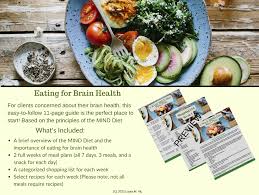
A brain food meal plan focuses on nutrient-rich foods that support cognitive function. This includes healthy fats, antioxidants, vitamins, and minerals. Eating these foods regularly can improve memory, focus, and overall brain health.
It’s about fueling your brain for peak performance.
What Is Brain Food?
Brain food isn’t a magic potion. It’s simply food that helps your brain work better. Think of your brain as a high-performance engine.
It needs the right kind of fuel to run smoothly. Good brain foods give your brain the building blocks it needs. They also protect it from damage.
Our brains use a lot of energy. They need constant fuel. This fuel comes from the food we eat.
Certain foods have special nutrients. These nutrients help brain cells communicate. They can also help protect brain cells from harm.
This is important as we age. It also helps us focus better today.
The goal of a brain food meal plan is to include these helpful foods. We want to make them a regular part of your diet. It’s not about eating one superfood once.
It’s about creating a pattern of eating that nourishes your brain over time. This approach supports long-term brain health. It also helps with daily mental tasks.
My Brain Fog Moment
I remember one particularly rough Tuesday. I had a big project deadline looming. I’d pulled a late night trying to get ahead.
But when morning came, my brain felt like a thick fog had rolled in. I sat at my computer, staring at the screen. The words just wouldn’t form.
My thoughts felt sluggish. I kept rereading the same sentence, but nothing clicked. I felt a wave of panic mixed with pure annoyance.
How could I possibly finish this work when my own mind felt like a stranger?
I tried coffee, but it only made me jittery without clearing the fog. I grabbed a sugary pastry from the breakroom, hoping for a quick boost. It gave me a brief surge, then a crash that made things worse.
I felt so ineffective. It was a stark reminder that my body and brain needed more than just quick fixes. They needed consistent, good fuel.
That day really pushed me to learn more about what truly powers our thinking.
The experience made me realize that what I ate had a direct impact. It wasn’t just about physical energy. It was about mental clarity.
I started researching foods that are known to support brain function. I learned about omega-3s, antioxidants, and B vitamins. This led me to understand that a well-planned diet could be my best ally against brain fog and low focus.
It was a turning point in how I approached my daily meals.
Brain Boosting Nutrients: Quick Look
- Healthy Fats: Like those in fish and nuts. They build brain cell membranes.
- Antioxidants: Found in berries and dark chocolate. They fight cell damage.
- Vitamins: B vitamins help make brain chemicals. Vitamin E protects cells.
- Minerals: Iron helps carry oxygen. Zinc is key for nerve signals.
- Water: Dehydration causes fogginess. Stay hydrated!
The Building Blocks: Key Foods for Your Brain
Let’s dive into the specific foods that can truly transform your brain’s performance. Think of these as your brain’s best friends. They provide essential support for everything from memory to mood.
Fatty Fish: The Omega-3 Powerhouse
Fatty fish are at the top of almost every brain food meal plan. Why? Because they are packed with omega-3 fatty acids.
These are essential fats your body can’t make on its own. Your brain is about 60% fat. A big chunk of that is omega-3s.
Omega-3s are crucial for building brain and nerve cells. They are vital for learning and memory. They may also slow age-related mental decline.
They help fight inflammation in the brain too. This is super important for overall brain health.
Good sources include salmon, mackerel, tuna, herring, and sardines. Aim to eat these fish a couple of times a week. If you don’t eat fish, don’t worry.
There are other ways to get omega-3s. Flaxseeds, chia seeds, and walnuts are good plant-based options. However, the type of omega-3 in fish is easiest for your body to use.
Berries: Nature’s Antioxidant Jewels
Blueberries, strawberries, raspberries, and blackberries are amazing. They are loaded with antioxidants. These powerful compounds help fight oxidative stress.
Oxidative stress is caused by free radicals. Free radicals can damage brain cells.
The antioxidants in berries, especially flavonoids, can help improve communication between brain cells. They may also delay brain aging. Studies suggest they can help boost memory.
Eating a handful of berries can be a simple yet effective way to support your brain.
You can add them to your breakfast cereal or yogurt. Blend them into smoothies. Or just eat them as a healthy snack.
Their natural sweetness makes them a treat for your taste buds too.
Leafy Greens: Vitamin and Mineral Rich
Think spinach, kale, collard greens, and broccoli. These aren’t just good for your body; they’re fantastic for your brain. They are packed with nutrients like vitamin K, lutein, folate, and beta-carotene.
Vitamin K helps form sphingolipids. These are a type of fat densely packed into brain cells. Folate is important for brain development.
Lutein and beta-carotene are antioxidants that protect brain cells.
These greens can help slow cognitive decline. They help keep your mind sharp as you get older. It’s easy to add them to meals.
You can toss spinach into a smoothie. Sauté kale with garlic. Or add broccoli to stir-fries and pasta dishes.
Nuts and Seeds: Healthy Fats and Vitamin E
Walnuts, almonds, sunflower seeds, pumpkin seeds – these are brain powerhouses. They contain healthy fats, antioxidants, and vitamin E. Vitamin E is a potent antioxidant.
It protects cell membranes from damage by free radicals.
The healthy fats in nuts and seeds are similar to those in fish. They provide essential building blocks for brain cells. Walnuts, in particular, are often highlighted for their brain benefits.
They are rich in omega-3s and antioxidants.
Snacking on a small handful of nuts is a great idea. You can also sprinkle seeds on salads, yogurt, or oatmeal. Just be mindful of portion sizes, as they are calorie-dense.
Whole Grains: Steady Energy for the Brain
Your brain needs a steady supply of glucose (sugar) for energy. Whole grains provide this steady release. They are complex carbohydrates.
This means they are digested slowly. This prevents sharp spikes and crashes in blood sugar.
Examples include oats, whole wheat bread, brown rice, and quinoa. They also contain B vitamins, which are important for brain function. B vitamins help the brain produce energy.
They also create brain chemicals.
Choosing whole grains over refined grains (like white bread and white rice) makes a big difference. It ensures your brain has consistent fuel throughout the day. This helps maintain focus and energy levels.
Eggs: A Complete Nutrient Package
Eggs are a fantastic source of several brain-boosting nutrients. They contain B vitamins (B6, B12, folate) and choline.
Choline is used by the body to create acetylcholine. Acetylcholine is a neurotransmitter. It helps regulate mood and memory.
It’s vital for brain cell signaling.
The B vitamins in eggs play a role in several brain functions. They help break down homocysteine. High levels of homocysteine are linked to cognitive decline.
They also help produce neurotransmitters.
Eggs are versatile and easy to prepare. They can be part of breakfast, lunch, or dinner. An omelet with veggies or a simple boiled egg makes for a great brain-boosting meal.
Dark Chocolate: A Delicious Treat with Benefits
Yes, chocolate can be good for your brain! But it needs to be dark chocolate with a high cocoa content (70% or more). Dark chocolate is rich in flavonoids, caffeine, and antioxidants.
The flavonoids in dark chocolate gather in parts of the brain that deal with learning and memory. Studies suggest they may help improve memory. They can also boost mood.
The caffeine in dark chocolate can also help improve alertness and mood. However, moderation is key. Too much caffeine can cause jitters and disrupt sleep.
Enjoy a small square or two as a healthy treat.
Brain Foods Quick List
For Breakfast: Oats with berries and nuts. Scrambled eggs with spinach.
For Lunch: Salmon salad on whole-wheat bread. Lentil soup with leafy greens.
For Dinner: Baked chicken with roasted broccoli and brown rice. Stir-fry with lots of vegetables and fatty fish.
Snacks: A handful of walnuts. A small piece of dark chocolate. Apple slices with almond butter.
Crafting Your Brain Food Meal Plan
Now that we know the stars of the show, let’s talk about putting it all together. A brain food meal plan doesn’t have to be complicated. It’s about making smart, consistent choices.
Breakfast: Starting Your Day Right
Breakfast sets the tone for your entire day. For brain power, aim for something that provides sustained energy and nutrients. Avoid sugary cereals that lead to a crash.
Option 1: Oatmeal Power Bowl
Cook rolled oats with water or unsweetened almond milk. Stir in a handful of blueberries or mixed berries. Top with a small handful of walnuts or slivered almonds.
Add a sprinkle of chia seeds for extra omega-3s.
Option 2: Veggie Scramble
Whisk two eggs with a splash of milk or water. Sauté a handful of spinach and some chopped bell peppers in a little olive oil. Pour in the eggs and scramble until cooked.
Serve with a slice of whole-wheat toast.
Option 3: Yogurt Parfait
Layer plain Greek yogurt with mixed berries and a sprinkle of granola (choose one with low sugar). You can add a tablespoon of pumpkin seeds for crunch and nutrients.
Lunch: Fueling Your Afternoon
Lunch is critical for maintaining focus through the afternoon. Aim for a balanced meal that includes protein, healthy fats, and complex carbs.
Option 1: Salmon Salad Sandwich
Mix canned salmon with a little Greek yogurt or avocado, celery, and a squeeze of lemon. Serve on whole-wheat bread or in lettuce wraps. Add a side of carrot sticks.
Option 2: Lentil and Vegetable Soup
A hearty lentil soup is packed with fiber, protein, and minerals. Add in plenty of vegetables like carrots, celery, and kale. Serve with a small side salad.
Option 3: Quinoa Salad with Chickpeas
Combine cooked quinoa with chickpeas, chopped cucumber, bell peppers, and a lemon-tahini dressing. This is a great plant-based option rich in nutrients.
Dinner: Repair and Recharge
Dinner is a chance to refuel and provide the nutrients your brain needs for repair overnight. Focus on lean protein, healthy fats, and plenty of colorful vegetables.
Option 1: Baked Salmon with Roasted Vegetables
Bake a salmon fillet seasoned with lemon and herbs. Roast a mix of broccoli florets, sweet potato cubes, and Brussels sprouts with olive oil. Serve with a small portion of brown rice or quinoa.
Option 2: Chicken Stir-fry with Brown Rice
Stir-fry sliced chicken breast with a variety of vegetables like broccoli, snap peas, carrots, and bell peppers. Use a sauce made with soy sauce, ginger, and a touch of honey. Serve over brown rice.
Option 3: Lean Turkey Meatloaf with Sweet Potato Mash
Make a meatloaf using lean ground turkey and whole-wheat breadcrumbs. Serve with mashed sweet potatoes (use a little milk or almond milk instead of butter) and a side of steamed green beans.
Snacks: Smart Choices Between Meals
Snacking is not bad! It’s about choosing snacks that keep your brain energized, not weighed down.
- A small handful of almonds or walnuts.
- Apple slices with natural peanut or almond butter.
- A hard-boiled egg.
- A small piece of dark chocolate (70% cocoa or higher).
- A small bowl of mixed berries.
- A few whole-grain crackers with avocado.
The 30-Second Brain Boost Snack
Mix: 1 tbsp chia seeds + 1/4 cup water + squeeze of lemon. Let sit for 5 minutes. This creates a mini-gel packed with omega-3s and fiber.
Sip it down!
Real-World Context: Where and When Brain Food Matters
Understanding where and when you need your brain most can help you prioritize your diet. Think about the demands of your day.
At Work or School
Long hours of meetings, studying, or complex tasks require sustained mental energy. A brain food meal plan helps prevent that mid-afternoon slump. It keeps you sharp and focused.
Eating a balanced breakfast and a nutrient-dense lunch is key. Snacks like nuts or berries can provide a boost.
During Busy Mornings
Rush hour mornings can be stressful. Your brain needs fuel before the chaos begins. A quick, healthy breakfast like oatmeal or eggs ensures you start the day with clarity.
Grabbing a pre-made healthy snack for later is also wise.
When Learning New Things
Learning requires significant brain power. Whether it’s a new skill, a language, or a complex subject, your brain is working hard. Foods rich in omega-3s and antioxidants support the brain’s ability to form new connections and retain information.
Managing Stress
Stress can deplete your brain’s resources. Certain nutrients can help your brain cope better. Omega-3s, magnesium, and B vitamins are all important for stress management and brain health.
A balanced diet can build resilience.
For Long-Term Brain Health
The choices you make today impact your brain health years down the line. A consistent diet rich in fruits, vegetables, healthy fats, and whole grains is like an investment in your future cognitive well-being. It helps protect against age-related decline.
Myth vs. Reality: Brain Food Edition
| Myth: You need expensive supplements for brain health. | Reality: Whole foods provide a complex array of nutrients that work together better than isolated supplements. Focus on a balanced diet first. |
| Myth: You have to give up all your favorite foods. | Reality: Enjoy treats in moderation. Dark chocolate is a great example. It’s about balance and making better choices most of the time. |
What This Means for You: When to Be Mindful
It’s important to know when your brain food choices are working well and when they might be falling short. It’s not about perfection, but awareness.
When It’s Normal to Feel a Little Sluggish
Everyone has off days. If you haven’t slept well, are under significant stress, or have had a particularly poor diet for a day or two, it’s normal to feel a bit foggy. Your brain is telling you it needs a break and some good fuel.
Forgetting a name or a word occasionally is also completely normal. As we age, our processing speed can naturally slow a little. This is not a cause for alarm.
When to Pay Closer Attention
If brain fog, poor focus, or memory issues are constant, or if they are significantly impacting your daily life, it’s time to pay closer attention. This could be a sign that your diet isn’t supporting your brain effectively.
Consider these points:
- Are you eating enough? Skimping on calories can lead to fatigue and fogginess.
- Are you getting enough healthy fats? Omega-3s are vital.
- Are you drinking enough water? Dehydration is a major cause of brain fog.
- Are you eating too much processed food? High sugar and unhealthy fat content can harm brain function over time.
Simple Checks You Can Do
1. Hydration Check: Are you drinking water throughout the day? Aim for about 8 cups (64 ounces) a day, more if you’re active or in a hot climate.
2. Food Log: For a few days, jot down what you eat and how you feel mentally. You might spot patterns.
Do you feel worse after sugary meals? Better after eating fish?
3. Sleep Quality: Poor sleep deeply affects brain function. Make sure you’re getting 7-9 hours of quality sleep.
Your Brain Food Action Plan
This Week:
- Add one serving of fatty fish (salmon, mackerel) to your meals.
- Include a handful of berries in your breakfast or as a snack daily.
- Swap one refined grain meal (white bread, white rice) for a whole grain option (brown rice, whole wheat).
This Month:
- Try one new brain-boosting recipe.
- Ensure you are drinking enough water consistently.
- Continue to make smart snack choices.
Quick Tips for Brain-Boosting Habits
Beyond just meals, some daily habits can significantly enhance your brain’s performance.
- Stay Hydrated: Keep a water bottle with you. Sip throughout the day.
- Move Your Body: Regular physical activity increases blood flow to the brain. Even a brisk walk helps.
- Get Enough Sleep: Aim for 7-9 hours of quality sleep per night. This is when your brain consolidates memories and repairs itself.
- Manage Stress: Find healthy ways to cope with stress, like meditation, deep breathing, or spending time in nature.
- Challenge Your Brain: Learn something new. Do puzzles. Read books. Keep your mind active.
These habits, combined with a good brain food meal plan, create a powerful synergy for optimal cognitive health.
Frequent Questions About Brain Food
What is the single best food for brain health?
It’s hard to pick just one, but fatty fish like salmon are often highlighted due to their high omega-3 content, which is vital for brain structure and function. However, a variety of foods works best.
Can a bad diet really cause brain fog?
Yes, absolutely. Diets high in sugar, refined carbs, and unhealthy fats can lead to inflammation and blood sugar swings that contribute to brain fog and poor concentration. Conversely, nutrient-dense foods support clarity.
How long does it take to see results from eating brain foods?
You might notice some immediate effects on energy and focus within a few days. However, significant improvements in cognitive function and long-term brain health are usually seen with consistent eating habits over weeks and months.
Are there any foods I should definitely avoid for brain health?
It’s best to limit highly processed foods, sugary drinks, excessive amounts of saturated and trans fats, and refined carbohydrates. These can contribute to inflammation and impair brain function over time.
Can I follow a vegetarian or vegan brain food plan?
Yes. Focus on plant-based omega-3 sources like flaxseeds, chia seeds, and walnuts. Include plenty of leafy greens, colorful fruits, vegetables, whole grains, beans, and nuts/seeds.
Ensure you get enough B12 through fortified foods or a supplement.
Does caffeine really help brain function?
Caffeine can temporarily improve alertness, focus, and mood by blocking adenosine, a chemical that makes you feel tired. However, it’s a temporary boost and can lead to a crash. Dark chocolate also contains a small amount of caffeine.
Conclusion: Nourishing Your Mind for Life
Creating a brain food meal plan is an act of self-care for your most vital organ. It’s about making simple, delicious choices that fuel your focus and memory. By including fatty fish, berries, leafy greens, nuts, seeds, whole grains, and eggs, you are actively supporting your brain’s health.
This journey is about more than just food; it’s about empowering yourself to think clearer and feel sharper every day.

Leave a Reply