
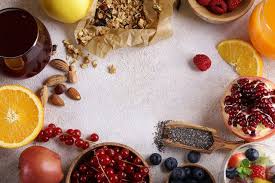
Feeling that mid-afternoon slump? Or maybe you just want to give your brain a little extra boost for that important task. It’s easy to reach for sugary treats or salty chips.
But what if there were snacks that not only satisfied your hunger but also actively helped your brain work better? You’re not alone in wondering. Many people struggle to find snacks that are both tasty and good for their minds.
This guide will help you understand what makes a snack brain-friendly and give you lots of simple ideas. Get ready to power up your brain, one delicious bite at a time.
Brain healthy snacks are foods that provide essential nutrients supporting cognitive functions like memory, focus, and mood. They often include healthy fats, antioxidants, vitamins, and minerals. Choosing these snacks can help improve alertness, reduce brain fog, and support long-term brain health by fighting inflammation and oxidative stress.
What Makes a Snack “Brain Healthy”?
Think of your brain like a high-performance engine. It needs the right kind of fuel to run smoothly and efficiently. Not all foods provide that fuel.
Brain-healthy snacks are those packed with nutrients that directly help your brain. They help build and protect brain cells. They also help send signals between brain cells faster.
These snacks fight things that can slow your brain down. This includes inflammation and stress. They offer steady energy, unlike sugary snacks that cause a quick spike and then a crash.
This steady energy keeps you focused for longer. It helps you remember things better too.
The key nutrients we look for are healthy fats, especially omega-3s. We also want antioxidants, vitamins like B vitamins and E, and minerals like zinc and magnesium. These work together.
They support everything your brain does. They keep it sharp and healthy for years to come.
My Brain Snack Realization
I remember one particularly tough week. I was working late on a big project. My deadline felt like it was breathing down my neck.
My usual go-to was a bag of chips and a soda. By 3 PM, I felt like my brain had turned to mush. I couldn’t focus.
I kept rereading the same sentences without understanding them. It was so frustrating. I felt a wave of panic.
I knew I needed a change, but what? I grabbed another handful of chips, hoping for a miracle. It didn’t come.
That’s when I decided I needed to figure out better fuel.
Key Brain Nutrients to Look For
Healthy Fats: Like those in nuts, seeds, and avocados. They help build brain cells.
Antioxidants: Found in berries and dark chocolate. They fight damage to brain cells.
Vitamins: Such as B vitamins and Vitamin E. They help with energy and protection.
Minerals: Like zinc and magnesium. They are vital for brain signals.
Fiber: Helps keep blood sugar steady. This gives your brain even energy.
Exploring the Best Brain Healthy Snacks
Let’s dive into some fantastic options. These snacks are easy to find and prepare. They are also delicious.
You won’t feel like you’re eating “diet food” at all. In fact, many of them are treats you’ll look forward to.
Nuts and Seeds: Tiny Powerhouses
Nuts and seeds are like nature’s multivitamin for your brain. They are packed with healthy fats, protein, and fiber. This combination is amazing for sustained energy.
It also helps keep you feeling full and satisfied. They contain vitamin E, which is a powerful antioxidant. It protects your brain cells from damage.
Almonds are a great choice. They have good amounts of vitamin E and magnesium. Walnuts are particularly special.
They are one of the best plant sources of omega-3 fatty acids. These fats are super important for brain structure and function. Pumpkin seeds are rich in magnesium, iron, zinc, and copper.
All these minerals play a role in brain health.
A small handful (about a quarter cup) is a good serving size. You can eat them plain. You can also roast them with a little salt and pepper.
Or mix a few different kinds for a variety of flavors and nutrients. Watch out for heavily salted or candied versions. They can add too much sugar or sodium.
Nut & Seed Quick Scan
| Nut/Seed | Key Brain Benefits | Best For |
|---|---|---|
| Walnuts | Omega-3s, Antioxidants | Memory, Learning |
| Almonds | Vitamin E, Magnesium | Protection, Energy |
| Pumpkin Seeds | Zinc, Magnesium, Iron | Mood, Cognitive Function |
| Chia Seeds | Omega-3s, Fiber | Sustained Energy |
Berries: Nature’s Little Brain Boosters
Berries are a true gift from nature. They are bursting with antioxidants. These compounds, especially flavonoids, are like tiny superheroes for your brain.
They help protect brain cells from damage caused by free radicals. Free radicals are unstable molecules that can harm cells. Antioxidants neutralize them.
This can help improve memory and slow down age-related brain decline.
Blueberries are often called a “superfood” for a reason. They are rich in anthocyanins, which give them their deep blue color. These are powerful antioxidants.
Strawberries, raspberries, and blackberries are also fantastic choices. They offer a variety of vitamins and antioxidants.
You can eat them fresh as a snack. You can also add them to yogurt or oatmeal. Berries are naturally sweet, so they can satisfy a sweet craving without added sugar.
They are also a good source of fiber. This helps with stable energy levels. Aim for about a cup of mixed berries.
Avocado: The Creamy Brain Food
Avocado is a nutritional marvel. It’s packed with healthy monounsaturated fats. These fats support healthy blood flow.
Good blood flow is crucial for a healthy brain. They also help reduce blood pressure. High blood pressure can negatively affect brain health.
Avocados are also a source of antioxidants like lutein. Lutein is good for eye health, and also plays a role in brain function. They contain vitamin K and folate.
These are important for cognitive function and preventing blood clots in the brain.
Eating half an avocado is a perfect snack. You can sprinkle it with a little salt and pepper. Or add a squeeze of lime.
Some people even enjoy a small bowl of mashed avocado with a spoon. It’s creamy, satisfying, and incredibly good for you.
Avocado Snack Idea
Simple Avocado Mash:
1. Take half a ripe avocado.
2. Mash it with a fork in a small bowl.
3. Add a pinch of salt and pepper.
4. A tiny squeeze of lime or lemon juice is nice too.
5. Eat with a spoon!
Dark Chocolate: A Sweet Brain Treat
Yes, chocolate can be good for your brain! The key is choosing dark chocolate with a high cocoa content, ideally 70% or more. Dark chocolate is rich in flavonoids.
These compounds are antioxidants. They are thought to improve blood flow to the brain. They may also help with learning and memory.
Cocoa also contains stimulants like caffeine and theobromine. These can give a mild boost to alertness and mood. However, it’s important to enjoy dark chocolate in moderation.
It still contains sugar and calories.
A small square or two (about 1 ounce) is a great snack. It satisfies a sweet craving. It also provides those beneficial compounds.
Look for brands with minimal added sugar. Enjoying it slowly allows you to savor the taste and benefits.
Eggs: The Versatile Brain Food
Eggs are an incredibly versatile and nutrient-dense food. They are a fantastic source of choline. Choline is a nutrient that the body uses to create acetylcholine.
Acetylcholine is a neurotransmitter important for memory and mood regulation. A single egg contains a good amount of this vital nutrient.
Eggs also provide B vitamins, including B6, B12, and folate. These vitamins are crucial for brain health. They help slow cognitive decline.
They are also involved in making brain chemicals. Plus, eggs are a good source of protein. This helps keep you feeling full.
Hard-boiled eggs are the perfect grab-and-go snack. You can boil a batch at the beginning of the week. They are easy to peel and eat anywhere.
They require no refrigeration for a short period. You can also scramble an egg quickly. Or have a small omelet.
Yogurt and Fruit: A Creamy, Fruity Combo
Plain Greek yogurt is a protein powerhouse. Protein helps you feel full and satisfied. It also helps stabilize blood sugar levels.
This means steadier energy for your brain. Greek yogurt is also a good source of B vitamins.
When you combine it with berries or other fruits, you get a winning snack. The fruit adds natural sweetness, fiber, and antioxidants. Berries, as we’ve discussed, are fantastic.
A small bowl of plain Greek yogurt topped with a handful of blueberries and maybe a sprinkle of chopped walnuts is a perfect brain snack. Make sure to choose plain yogurt to avoid added sugars. You can sweeten it naturally with the fruit.
Yogurt Parfait Mix-Ins
Base: Plain Greek Yogurt
Additions:
- Fresh Berries (Blueberries, Raspberries, Strawberries)
- Chopped Nuts (Walnuts, Almonds)
- Seeds (Chia Seeds, Pumpkin Seeds)
- A tiny drizzle of honey (optional, for sweetness)
Vegetables with Hummus: Crunchy and Satisfying
This is a classic for a reason. Crunchy vegetables provide fiber and vitamins. Hummus adds protein and healthy fats from the tahini and olive oil.
This combination offers sustained energy and important nutrients.
Good vegetable choices include carrots, bell peppers, cucumber, celery, and broccoli florets. They are full of vitamins and antioxidants. Hummus is made from chickpeas.
Chickpeas are a good source of plant-based protein and fiber. They also contain iron, which is important for delivering oxygen to the brain.
This snack is great for when you want something to chew on. It’s also a good way to get more vegetables into your day. A portion of about half a cup of hummus with a cup of chopped veggies is a satisfying snack.
Oranges and Other Citrus Fruits: Vitamin C Power
Oranges, grapefruits, and other citrus fruits are famous for their vitamin C content. Vitamin C is a powerful antioxidant. It helps protect brain cells from damage.
It also supports the production of neurotransmitters. These are the chemical messengers in your brain.
Vitamin C is also important for overall brain health as we age. Citrus fruits provide natural sweetness and fiber. They are refreshing and hydrating.
Eating a whole orange is better than drinking orange juice. You get the fiber, which helps slow sugar absorption. This leads to more stable energy.
Sweet Potatoes: Complex Carbs for the Brain
Sweet potatoes are often overlooked as a snack. They are a fantastic source of complex carbohydrates. These break down slowly.
They provide a steady release of glucose to your brain. Glucose is the brain’s primary fuel source.
Sweet potatoes also contain beta-carotene. This is converted into vitamin A in the body. Vitamin A is an antioxidant.
They also offer vitamin B6 and potassium. These are important for brain function and nerve health.
You can bake a small sweet potato. Then, you can top it with a little cinnamon or a tiny bit of nut butter. Or cut them into wedges and bake them into sweet potato fries.
Just be mindful of toppings. Keep them simple and healthy.
Sweet Potato Snack Tip
Baked Sweet Potato Bites:
1. Preheat oven to 400°F (200°C).
2. Wash and cut a small sweet potato into cubes.
3. Toss with a tiny bit of olive oil, cinnamon, and nutmeg.
4. Spread on a baking sheet and roast for 20-25 minutes, or until tender.
5. Let cool slightly before eating.
Real-World Context: Snacks in Your Day
Think about your typical day. When do you usually reach for a snack? Is it when you wake up?
Mid-morning? Late afternoon? Or maybe late at night?
Morning Boost: If you skip breakfast or have a light one, a mid-morning snack is essential. A handful of nuts or a hard-boiled egg can keep you going until lunch. This prevents that dreaded energy dip.
Afternoon Slump Savior: This is when many people grab something sugary. Replacing chips with berries and Greek yogurt can make a huge difference. You’ll feel more alert.
You won’t crash an hour later. This is often the most critical time for a brain-healthy snack.
Pre-Workout/Study: If you need energy for a workout or a study session, choose something with complex carbs and some protein. A small sweet potato or apple slices with peanut butter works well. It provides fuel without making you feel too full.
Evening Treat: If you need a small bite before bed, opt for something light and calming. A small square of dark chocolate or a few almonds can be satisfying. Avoid heavy or sugary snacks late at night.
They can disrupt sleep.
The goal is to fuel your brain consistently. This helps maintain focus and energy throughout the day. It’s about making smart choices when you feel hungry.
These choices can add up to big brain benefits.
What This Means for You
Knowing about brain healthy snacks isn’t just trivia. It’s practical knowledge for your daily life. When you choose these snacks, you’re investing in your brain.
You’re helping it perform at its best.
When it’s normal: Feeling hungry between meals is completely normal. Your brain uses a lot of energy. Needing a snack to stay focused and energized is expected.
Reaching for nutrient-dense options is a sign you’re taking care of yourself.
When to pay attention: If you find yourself constantly craving sugary or highly processed snacks, it might be a sign your regular meals aren’t providing enough sustained energy or nutrients. It could also mean you’re not drinking enough water. Or you’re not getting enough sleep.
These factors also impact brain function and food cravings.
Simple checks:
Notice your energy levels: Do you crash after snacking? Assess your focus: Do you feel more alert after your snack? * Listen to your body: Are you truly hungry, or just bored or stressed?
Making even small changes can have a big impact. Swapping one processed snack for a brain-healthy option each day is a great start. It doesn’t have to be all or nothing.
Quick Fixes & Tips for Brain Snacks
Making brain-healthy snacks a habit is easier than you think. Here are some simple tips to help you succeed:
- Prep Ahead: Wash and chop fruits and veggies at the start of the week. Hard-boil eggs. Portion out nuts and seeds into small bags. This makes grabbing a healthy option quick and easy.
- Keep it Simple: You don’t need fancy recipes. A piece of fruit, a handful of nuts, or yogurt are perfect on their own.
- Hydrate First: Sometimes thirst can feel like hunger. Try drinking a glass of water before reaching for a snack.
- Read Labels: If buying pre-packaged snacks, check the ingredients. Look for minimal added sugar, sodium, and unhealthy fats. Opt for whole foods whenever possible.
- Portion Control: Even healthy snacks have calories. Be mindful of portion sizes, especially with nuts and dark chocolate.
- Variety is Key: Eating a wide range of brain-healthy foods ensures you get a broad spectrum of nutrients. Mix and match different snacks throughout the week.
- Listen to Cravings: If you crave something sweet, try berries or a small piece of dark chocolate. If you crave something crunchy, opt for nuts or veggie sticks with hummus.
Frequently Asked Questions About Brain Healthy Snacks
Conclusion
Fueling your brain doesn’t have to be complicated or taste bland. By choosing snacks packed with good fats, antioxidants, vitamins, and minerals, you can boost your focus, enhance your memory, and support your overall brain health. Start incorporating these delicious and simple options into your day.
Your brain will thank you for it!

Leave a Reply