
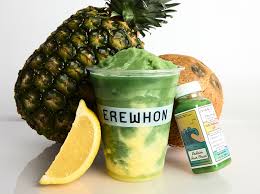
A great nootropic smoothie recipe includes brain-boosting foods like berries, leafy greens, nuts, and seeds, blended with liquids like almond milk or water. These ingredients provide antioxidants, healthy fats, and vitamins essential for cognitive function, helping to enhance focus, memory, and overall brain health without harsh stimulants. They offer a natural way to support your mental performance.
Understanding Nootropic Smoothies
What exactly is a nootropic smoothie recipe? It’s a smoothie made with ingredients known to help your brain. Think of them as natural brain enhancers. Nootropics are substances that might improve cognitive functions. These include things like memory, creativity, or motivation. They work in different ways. Some help blood flow to the brain. Others protect brain cells. Some may even help create new brain connections.
The idea is simple. You drink something tasty and it gives your brain a boost. It’s not about magic pills. It’s about using foods that naturally support brain health. These foods have vitamins, minerals, and other good stuff. Your brain needs these to work its best. A smoothie is a perfect way to get a lot of these good things at once. It’s easy to make and easy to drink. Plus, it’s a much nicer way to start your day than a heavy meal.
Why a smoothie? Because it’s one of the easiest ways to pack in a lot of nutrient-dense ingredients. You can blend fruits, vegetables, seeds, nuts, and even some spices. All these can contribute to better brain power. It’s like giving your brain a full meal in a glass. And you can control exactly what goes in. This means you know you’re getting pure goodness.
My Own Brain Fog Moment
I remember a time I was working on a big project. It was a deadline week. I had been pulling long hours. Coffee was my best friend. But by Wednesday afternoon, my brain felt like mush. I couldn’t focus. My thoughts felt slow. I kept rereading the same sentences. Panic started to set in. I felt so overwhelmed. I looked at my screen, and the words just swam. My head felt heavy, like I was wearing a lead hat.
I knew I needed a change. Coffee wasn’t helping anymore. It was making me jittery and more anxious. I needed something to truly help my brain reset. I walked into my kitchen. I felt a wave of exhaustion. I didn’t want to cook. But I remembered I had some frozen berries and spinach. I also had some almonds and chia seeds. I threw them into my blender with some almond milk. I added a bit of honey. As the blender whirred, I felt a tiny spark of hope. When I took my first sip, it was cold and refreshing. It tasted good. But more importantly, within about twenty minutes, I noticed a difference. The fog started to lift. My thoughts felt clearer. It wasn’t a magic cure, but it was a significant help.
That experience really opened my eyes. I saw how food could directly impact how I felt mentally. It wasn’t just about energy. It was about cognitive function. Since then, I’ve made it a point to learn more about brain foods. I love experimenting with different nootropic smoothie recipe ideas. It’s become a daily habit for me now. It helps me stay sharp and focused. It’s a simple act that makes a big difference in my day.
Top Brain-Boosting Ingredients Explained
Berries (Blueberries, Strawberries, Raspberries): These are packed with antioxidants called flavonoids. They help protect brain cells from damage. They may also improve communication between brain cells. Blueberries are often called “brain berries” for a good reason!
Leafy Greens (Spinach, Kale): These are loaded with vitamins K, lutein, folate, and beta-carotene. Studies suggest these nutrients may help slow cognitive decline. They are like a multivitamin for your brain.
Nuts and Seeds (Walnuts, Almonds, Chia Seeds, Flax Seeds): They provide healthy fats like omega-3 fatty acids. Omega-3s are crucial for brain structure and function. Walnuts, in particular, look like little brains and are great for them!
Avocado: Rich in healthy monounsaturated fats. These fats help support healthy blood flow to the brain. Good blood flow means more oxygen and nutrients for your brain cells.
Dark Chocolate (Cacao): Contains flavanols, antioxidants, and caffeine. Flavanols can help improve blood flow to the brain. Caffeine can boost alertness and mood. Use unsweetened cacao powder for the best benefit.
The Science Behind Nootropic Ingredients
Let’s dig a little deeper into why these foods work. It’s not just random luck. There’s science at play. Your brain is an amazing organ. It needs fuel and protection to do its job. Many of the ingredients in a good nootropic smoothie recipe help with both.
Antioxidants are a big deal. They fight something called oxidative stress. This stress can damage cells, including brain cells. Berries and leafy greens are packed with these helpers. Think of them like tiny bodyguards for your brain. They neutralize harmful molecules. This keeps your brain cells healthier and working better for longer.
Healthy fats are another key player. Omega-3 fatty acids, especially DHA, are a building block for your brain. About 60% of your brain is made of fat. A big chunk of that is DHA. Nuts, seeds, and even avocado provide these essential fats. They help build and repair brain cells. They also help with the signals between brain cells. This can lead to better memory and learning.
Vitamins and minerals also play a vital role. Folate, found in leafy greens, is important for brain health. It helps make chemicals in the brain. Vitamin K also helps. It’s involved in brain cell structure. Even small amounts of these nutrients make a difference. They help with energy production in brain cells. They also help protect them.
Some ingredients offer a gentle stimulant effect. Cacao powder or a small amount of green tea can provide caffeine. Caffeine blocks a chemical in your brain that makes you feel tired. This can improve alertness and focus. But the key is moderation. Too much caffeine can cause jitters. A nootropic smoothie aims for a balanced boost, not a jolt.
Focusing on Flavonoids
What they are: Natural compounds found in plants.
Where to find them: Berries, dark chocolate, apples, grapes, tea.
How they help the brain:
- Antioxidant Power: Fight cell damage.
- Improved Blood Flow: Help deliver oxygen and nutrients.
- Enhanced Brain Cell Communication: Make signals travel better.
- Reduced Inflammation: Protect brain tissue.
Building Your Perfect Nootropic Smoothie Recipe
Now, let’s get practical. How do you actually make one of these? It’s easier than you think. You just need a few key components and a blender.
First, choose your liquid base. Water is simple and calorie-free. Unsweetened almond milk or coconut milk adds a nice creaminess. Oat milk is another good option. If you want extra protein, you could use Greek yogurt or a protein powder, but keep it simple to start.
Next, add your fruits. Berries are your best friends here. Blueberries, raspberries, and strawberries are excellent choices. You can use fresh or frozen. Frozen fruits make your smoothie nice and cold without ice. Bananas add sweetness and a creamy texture, but use them in moderation if you’re watching sugar.
Don’t forget your greens! Spinach is a favorite because it has a mild flavor. You can add a big handful, and you probably won’t even taste it. Kale is also great but has a stronger taste. Start with a small amount if you’re new to it.
Now for the brain boosters: healthy fats and seeds. Add a tablespoon of chia seeds or flax seeds. Walnuts or almonds are also great. Just a small handful. Avocado adds wonderful creaminess and healthy fats. A quarter to half an avocado is usually enough.
Want to add more power? Consider some optional add-ins. A teaspoon of cacao powder for a chocolatey kick and flavanols. A pinch of cinnamon for flavor and blood sugar control. Ginger for a bit of spice and anti-inflammatory benefits. A tiny bit of honey or maple syrup if you need more sweetness. Turmeric with a pinch of black pepper can help with inflammation.
Blend everything until smooth. Pour it into a glass and enjoy. It’s that simple!
Quick Smoothie Formula
| Category | Amount | Example Ingredients |
|---|---|---|
| Liquid Base | 1 – 1.5 cups | Water, Almond Milk, Coconut Milk |
| Fruits | 1 cup | Berries (frozen), Banana (half) |
| Greens | 1 large handful | Spinach, Kale |
| Healthy Fats/Seeds | 1-2 tbsp or small handful | Chia seeds, Flax seeds, Walnuts, Almonds, Avocado |
| Optional Boosters | To taste/pinch | Cacao, Cinnamon, Ginger, Turmeric |
Putting It All Together: Specific Nootropic Smoothie Recipes
Let’s explore a few specific combinations. Think of these as starting points. You can mix and match based on what you like and what you have.
The Berry Focus Blast: This is a classic for a reason. It’s simple and effective. It’s a great nootropic smoothie recipe for beginners.
Ingredients:
- 1 cup unsweetened almond milk
- 1 cup frozen mixed berries (blueberries are key!)
- 1 large handful of spinach
- 1 tablespoon chia seeds
- 1/4 avocado
Blend until smooth. This mix is rich in antioxidants and healthy fats to help keep your mind sharp and prevent mental fatigue.
The Green Memory Booster: This one is for those who want a nutrient powerhouse. It tastes surprisingly good!
Ingredients:
- 1 cup coconut water
- 1/2 cup frozen pineapple
- 1 cup kale (stems removed)
- 1/4 cup walnuts
- 1 tablespoon flax seeds
- A squeeze of lime juice (optional)
The omega-3s from flax and walnuts, combined with the vitamins in kale, support memory and brain function. Pineapple adds a tropical sweetness.
The Chocolate Cacao Clarity Smoothie: For when you need a treat that also works wonders.
Ingredients:
- 1 cup unsweetened oat milk
- 1 frozen banana
- 2 tablespoons unsweetened cacao powder
- 1 tablespoon almond butter
- 1 teaspoon maca powder (optional, for energy)
- A dash of cinnamon
Cacao offers flavanols that improve blood flow. Almond butter and banana provide energy and creaminess. This is a satisfying and brain-boosting option for any time of day.
The Anti-Inflammatory Brain Smoothie: This one focuses on calming inflammation, which can impact brain health.
Ingredients:
- 1 cup water
- 1/2 cup frozen mango
- 1/2 cup frozen raspberries
- 1 small piece of fresh ginger (about 1 inch)
- 1/2 teaspoon turmeric powder (add a tiny pinch of black pepper)
- 1 tablespoon hemp seeds
Ginger and turmeric are powerful anti-inflammatories. Hemp seeds add protein and healthy fats. Mango and raspberries provide sweetness and antioxidants.
Customization Tips
Spice it Up: Add ginger, cinnamon, or a tiny pinch of cayenne pepper for warmth and potential health benefits.
Boost Protein: Include Greek yogurt, protein powder, or silken tofu for a more filling smoothie.
Sweeten Naturally: If needed, use a date, a little honey, or maple syrup. Often, the fruit is sweet enough.
Texture Control: Use less liquid for a thicker smoothie, more for a thinner one. Add a few ice cubes if using all fresh ingredients.
When to Expect Results
It’s important to have realistic expectations. A nootropic smoothie recipe is not a magic bullet. You won’t suddenly become a genius overnight. The benefits are usually subtle at first.
For some, the effects are noticeable within an hour. They might feel a bit more alert or focused. For others, it might take a few days or weeks of consistent drinking. This is especially true if you’re making big dietary changes. Your body needs time to adapt and absorb the nutrients.
Think of it like going to the gym. One workout doesn’t make you a bodybuilder. But regular workouts lead to strength and fitness. Similarly, regular consumption of brain-boosting foods can lead to improved cognitive function over time. The long-term benefits come from consistent healthy habits.
What you might notice first is a reduction in brain fog. You might find it easier to concentrate on tasks. Your memory might feel a little sharper. You could feel more energized mentally throughout the day. These are all positive signs.
It’s also important to remember that diet is just one piece of the puzzle. Getting enough sleep, managing stress, and regular exercise are also crucial for brain health. A nootropic smoothie can complement these healthy habits. It can be a powerful tool in your overall wellness routine.
When to Worry (And When Not To)
It’s good to know what’s normal and what might need more attention. Most of the ingredients in a well-made nootropic smoothie recipe are very safe. They are whole foods.
If you feel a little more alert or focused after drinking your smoothie, that’s a good thing! It means the ingredients are doing their job. If you don’t notice much at all, it might mean you need to adjust the ingredients. Perhaps add more berries or some cacao.
When might you need to be concerned? If you have any underlying health conditions, it’s always wise to talk to your doctor. This is especially true if you’re taking medications. For example, if you have a blood clotting disorder, talk to your doctor before adding large amounts of leafy greens. Some nutrients can affect blood thinners. If you have a severe nut allergy, obviously avoid nuts.
Sudden, severe changes in cognitive function are not usually caused by diet alone. If you experience significant memory loss, confusion, or inability to focus that’s new and persistent, please see a doctor. These could be signs of something more serious. A smoothie is a dietary aid, not a medical treatment.
For most people, these smoothies are a safe and healthy way to support their brain. They are a natural way to get more beneficial nutrients into your diet. Enjoy them as part of a balanced lifestyle. Don’t let worry stop you from trying something that could help you feel better.
Quick Tips and Tricks for Nootropic Smoothies
Here are some simple ideas to make your smoothie experience even better.
Prep Ahead: Measure out your dry ingredients (seeds, powders) into small bags or containers. You can even portion out your fruits and greens into freezer bags. This makes morning prep super fast.
Freeze Your Greens: If you have fresh spinach or kale that’s about to go bad, just wash it, dry it, and freeze it in a bag. It blends perfectly into smoothies.
Use a Good Blender: A powerful blender makes a big difference. It helps break down tough greens and frozen fruits into a smooth, creamy texture.
Taste and Adjust: Always taste your smoothie before you finish blending. If it’s too bitter, add a date or a little honey. If it’s too thick, add more liquid. If it’s not sweet enough, add a bit more fruit.
Clean Up Quickly: Rinse your blender immediately after use. It’s much easier to clean before things dry and stick.
Frequently Asked Questions About Nootropic Smoothies
Can I drink a nootropic smoothie every day?
Yes, for most people, a nootropic smoothie recipe made with whole foods can be consumed daily. It’s a great way to consistently provide your brain with beneficial nutrients. Just ensure you’re balancing it with a varied diet and listen to your body.
Are there any side effects from nootropic smoothies?
When made with whole foods like fruits, vegetables, nuts, and seeds, side effects are rare. Some people might be sensitive to certain ingredients. For instance, too much caffeine from cacao could cause jitters. It’s best to start with smaller amounts of new ingredients.
Can children have nootropic smoothies?
Yes, with appropriate ingredient choices. Focus on fruits, mild greens like spinach, and healthy fats. Avoid potent ingredients or high doses of caffeine. It’s always a good idea to consult with a pediatrician if you have concerns.
What are some good liquid bases other than almond milk?
Great options include water for a neutral base. Coconut water adds electrolytes and a touch of sweetness. Oat milk or soy milk can add creaminess and some protein. Dairy milk is also an option if you tolerate it well. Choose unsweetened versions when possible.
How much sugar is in these smoothies?
The sugar content comes mainly from the fruits. By using berries, which are lower in sugar, and limiting high-sugar fruits like mango or banana, you can keep sugar levels in check. Always opt for unsweetened liquids and avoid added refined sugars.
Can I add supplements to my nootropic smoothie?
You can, but focus on whole foods first. If you choose to add supplements like Lion’s Mane mushroom powder or Omega-3 capsules, do so with caution. Always research the supplement and consult a healthcare professional, especially if you have existing health conditions or are pregnant/nursing.
Conclusion: Sip Your Way to a Sharper Mind
Making a nootropic smoothie recipe is a delicious and simple step towards better brain health. By choosing the right ingredients, you can give your mind the fuel it needs. You can help improve focus, memory, and overall cognitive function. It’s a natural, enjoyable way to support your mental clarity.
Start with a basic recipe and then experiment. Find what tastes best to you. Remember, consistency is key. Make it a part of your morning routine. Soon, you might just notice a brighter, sharper you. Cheers to a healthier brain!

Leave a Reply